
Designing the web. For humans.
Human-centered web design is more than aesthetics—it’s a strategic approach that places real human needs at the core of every digital decision. By identifying the shared interests between your organization and your visitors, you create experiences that are both intuitive and impactful.
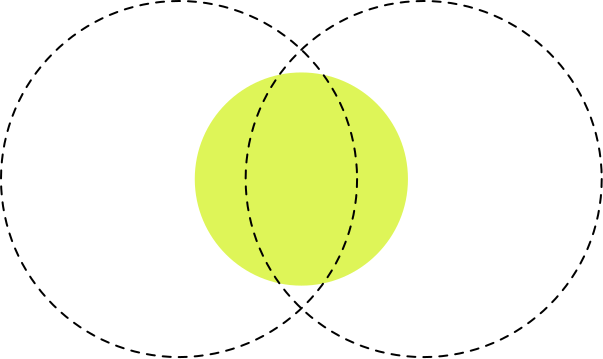
The Sweet Spot: Mutual Value
Finding the Greatest Common Interest
The heart of this method is discovering where your goals overlap with your audience’s needs. This intersection—what we call the greatest common interest—is where trust is built and engagement begins.
Clarify Your Organizational Goals
What does your organization hope to achieve with this website? Whether it’s donations, sign-ups, product sales, or awareness—clarity here ensures you design with purpose.
Understand Your Audience
Start with empathy. Research your users—interview them, survey them, observe their behavior. Go beyond demographics and uncover motivations, pain points, and aspirations.
Map the Overlap
Create a visual or strategic map of where user needs and business goals intersect. This is your content and functionality goldmine—where conversion meets satisfaction.
Design for Outcomes, Not Just Interfaces
Use layout, copy, and interaction design to guide visitors toward mutual success. Every call-to-action should speak to both sides: your objective and their incentive.
Test, Learn, Iterate
No design is final. Use analytics, A/B testing, and qualitative feedback to continually refine the experience. Human-centered design thrives on adaptation.
Define What Success Means for You
Clarify Your Organizational Goals
Human-centered web design starts with empathy—deep, intentional curiosity about the people who will interact with your site. This step lays the foundation for every decision that follows.
Define Primary and Secondary Objectives
Make your primary goal the center of gravity. Supporting goals are helpful, but they shouldn’t compete for attention.
Set Clear, Measurable Outcomes
Avoid vague goals like “improve engagement” or “increase visibility.” Instead, use metrics that can be tracked.
Align Internal Stakeholders
Different teams often have different ideas of what the website should do. Marketing wants conversions. Support wants fewer inquiries. Leadership wants brand recognition.
Know Who You’re Designing For
Understand your audience
Human-centered web design starts with empathy—deep, intentional curiosity about the people who will interact with your site. This step lays the foundation for every decision that follows.
Creating Personas
Distill your research into a few core user personas. Go beyond “Marketing Mary” or “Tech Tom”—include goals, frustrations, decision-making patterns, and what success looks like for them.
Mapping the User Journey
Visualize the key stages your users go through—from discovering your brand to reaching their goal.
Listen to Real Feedback
Use customer service conversations, social media comments, or product reviews to spot recurring themes. These unfiltered insights often highlight what data alone can’t show.
Need support developing a strategy?
Sign up for the free guide.
- Interactive Webdesign Strategy Guide
- At the end you will be getting a personalized strategy document
- Create the strategy at your own pace

